


Welcome to our comprehensive guide on finding the best waterproofing in New Plymouth! Whether you’re a homeowner, builder, or architect, you’re in the right place to discover expert waterproofing solutions tailored to the unique coastal climate of the Taranaki region. Our goal is to help you protect your property from moisture damage with high-quality products, skilled specialists, and proven methods. Dive in to learn everything you need about waterproofing services, systems, and choosing the right professionals to keep your building safe and dry for years to come.
New Plymouth’s stunning coastal location comes with a challenging reality for property owners: persistent moisture intrusion. With average annual rainfall around 1400mm and relentless salt-laden winds sweeping in from the Tasman Sea, finding the best waterproofing in New Plymouth is essential for protecting your investment.
This guide will walk you through everything you need to know about waterproofing solutions in the Taranaki region, from choosing the right specialists to understanding the systems that work best in our unique climate.
Table of Contents
Key Takeaways
- New Plymouth’s coastal climate (high rainfall, salt-laden winds, and humidity) makes professional waterproofing essential for homes and commercial buildings.
- This article will help readers choose the best waterproofing specialists in New Plymouth and understand common systems like tanking, roof membranes, and coatings.
- New Plymouth property owners should look for licensed, locally experienced contractors who understand Taranaki conditions and New Zealand Building Code requirements.
- Early waterproofing design (before or during consent stage) saves money by preventing leaks, structural damage, and disruptive remedial work.
- The article ends with a concise FAQ section covering cost ranges, timelines, and how to tell if a building needs waterproofing.
Why Waterproofing Matters So Much in New Plymouth
New Plymouth sits exposed to the Tasman Sea, receiving approximately 1400mm of rainfall annually. This combination of high humidity, driving rain, and marine conditions creates perfect conditions for water ingress into buildings. Properties throughout the region face accelerated concrete deterioration, timber rot, and cladding failures without proper protection.
- Frequent westerly storms and driving rain increase risk to roofs, decks, and cladding junctions on coastal and elevated properties like those in Spotswood, Frankleigh Park, and Moturoa. The salt-laden winds corrode metals and degrade unprotected surfaces faster than in inland areas.
- Long-term costs of poor waterproofing include rot in timber frames (which can develop within 6-12 months in humid conditions), concrete spalling, mould growth that thrives above 60% relative humidity, and loss of property value. Repair bills typically range from $10,000 to $50,000 for significant water damage.
- Building Code compliance requires proper waterproofing for new builds and major renovations. Clause E2 (External Moisture) and B2 (Durability) mandate that waterproofing membranes last at least 15 years, with specific requirements for wet areas and external barriers.
- The best waterproofing combines correct system design, quality materials tested for New Zealand conditions, and experienced local installers who understand Taranaki’s specific challenges.
Core Waterproofing Services in New Plymouth
The waterproofing industry in New Plymouth offers a complete range of services for commercial and residential projects. Understanding what’s available helps you match the right solution to your waterproofing needs.
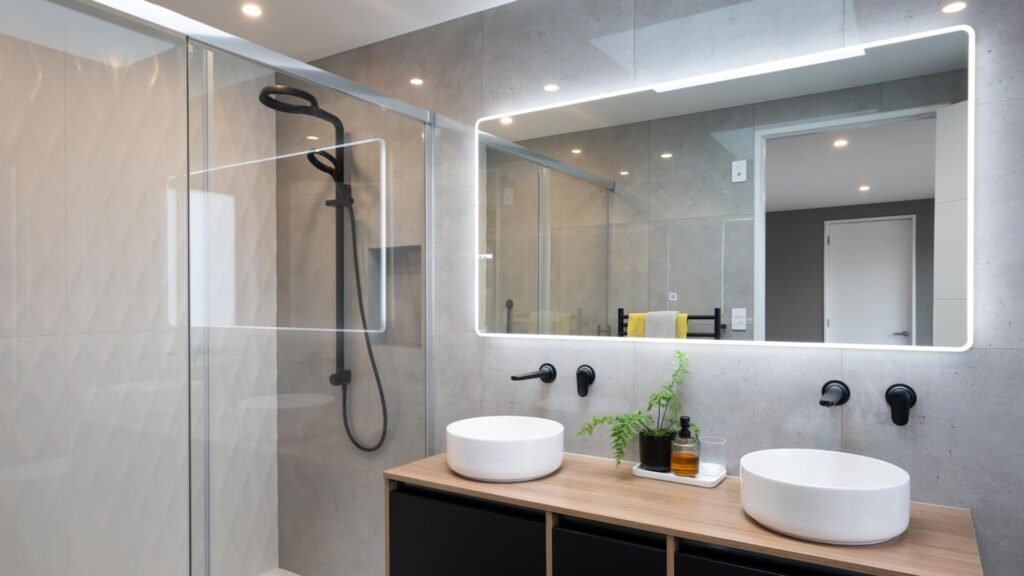
- Internal waterproofing for bathrooms, laundries, and kitchens in residential units and apartments. This includes liquid-applied membranes meeting Clause E3 requirements for wet areas and can be integrated into broader bathroom renovations in New Plymouth and wider bathroom renovation ideas for New Zealand homes.
- External waterproofing for foundations, basements, and retaining walls on sloping sites common around New Plymouth’s hills. Ground tanking and drainage systems protect below ground structures from hydrostatic pressure.
- Roofing and deck membranes for flat roofs, low-slope roofs, balconies, and apartment decks exposed to coastal conditions. These waterproofing systems must withstand UV, thermal movement, and foot traffic.
- Remedial and leak repair work for older properties built before stricter E2 standards, including re-membraning and re-coating. Many buildings constructed before 2004 require significant remediation.
- Top contractors in New Plymouth typically offer a combination of these waterproofing services rather than specialising in only one niche, providing integrated solutions for complex building projects.
Below-Ground Tanking & Foundation Waterproofing
Below ground waterproofing, commonly called “tanking,” creates a watertight barrier around subterranean spaces. This prevents groundwater and hydrostatic pressure from forcing moisture through concrete walls and floors into basements, lift pits, and underground parking.
- Common risk areas in New Plymouth include basement garages in new subdivisions and houses cut into slopes in the Hurdon and Merrilands areas. The region’s clay soils can expand 10-15% when wet, creating significant pressure against foundation walls.
- Typical tanking systems include torch-applied bituminous membranes, cold-applied membranes, and liquid-applied tanking systems installed before backfilling. Bentonite clay systems from suppliers like Sealco swell up to 200% on contact with water, providing effective seals.
- Correct substrate preparation is critical, along with drainage metal and drainage board to relieve water pressure in Taranaki’s often heavy, wet soils. Without proper drainage, even quality membranes can fail under sustained hydrostatic pressure.
- Compliance and warranties depend on following manufacturer details exactly and meeting council requirements. Licensed building practitioners must oversee installation for the work to pass inspections and maintain warranty protection.
Roof, Deck & Balcony Waterproofing
Low-slope and flat roofs, balconies, and floating decks represent high-risk areas in New Plymouth’s climate. These horizontal surfaces collect water and require durable membrane systems with precise application to prevent leaks into the structure below.
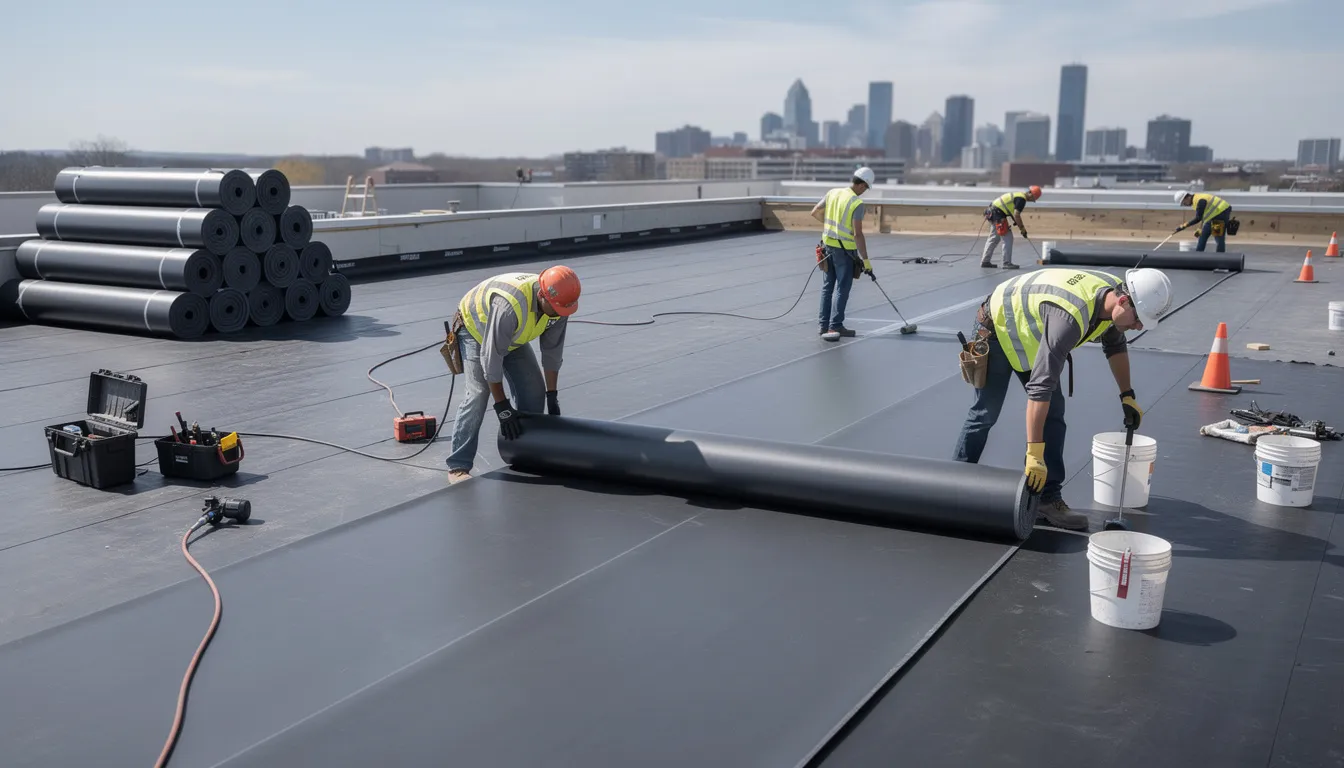
- Single-ply TPO and PVC membranes with heat-welded seams suit commercial roofs, apartments, and schools around the CBD and industrial areas. These waterproofing membranes provide seamless coverage and resist UV degradation.
- Bituminous torch-on membranes and Butynol-style rubber membranes work well for residential flat roofs, internal gutters, and canopies. Torch-on systems from suppliers like Sealco cost approximately $15-25/m² and suit roofs decks that aren’t directly exposed to UV without top coats.
- Trafficable deck solutions include membrane under tiles or floating timber decks, ensuring correct falls to drains to avoid ponding. The NZBC requires membranes to pass 72-hour flood tests with less than 1L/m²/day leakage.
- Common applications include coastal homes with exposed upper-level balconies and townhouse complexes requiring robust deck detailing. Green roofs and warm roof systems are increasingly popular for commercial buildings seeking both insulation and stormwater management.
Protective Coatings & Concrete Repair
Protective coatings extend the life of concrete and metal surfaces around New Plymouth’s marine-influenced environment. These solutions range from full membrane systems to penetrating sealers that protect the surface material from moisture and salt damage.
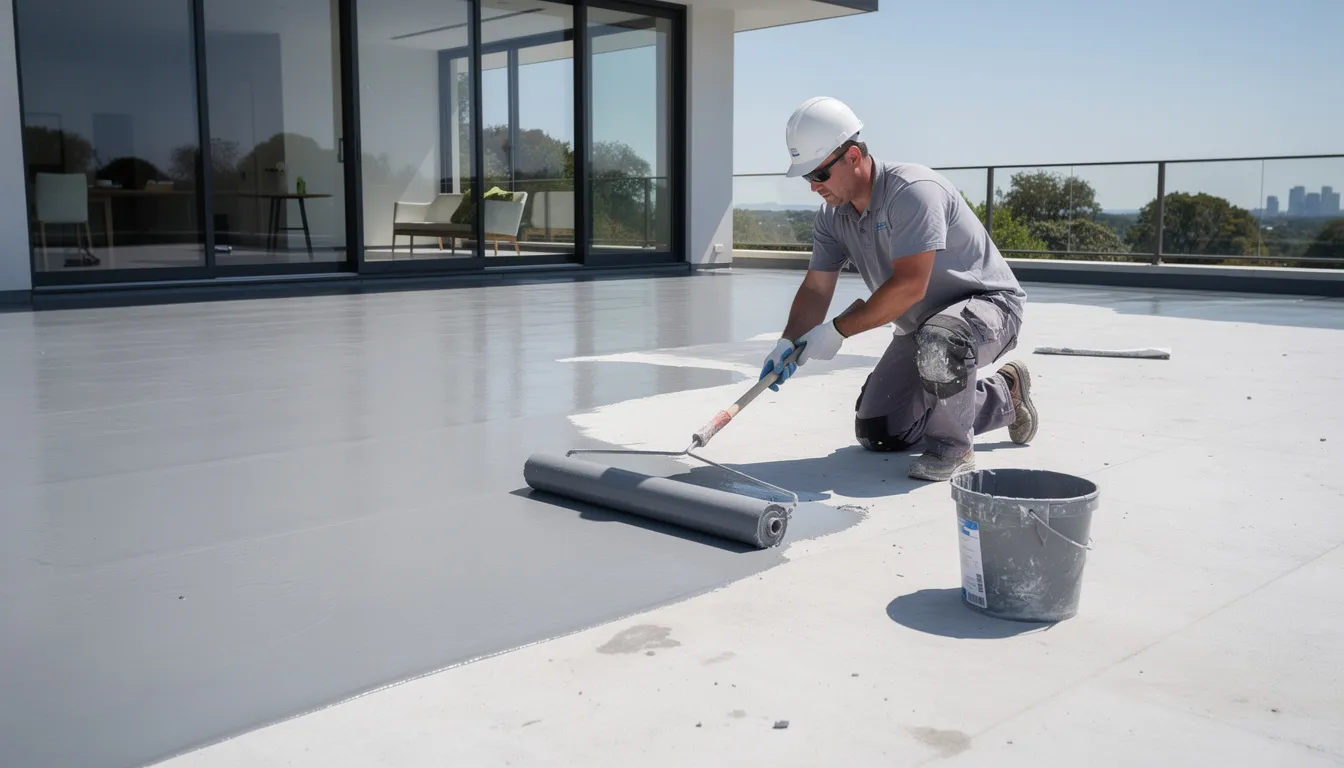
- Elastomeric roof coatings for existing iron roofs, parapets, and gutters require renewal rather than full replacement. These coatings bridge hairline cracks and provide UV-stable protection for 10-15 years when properly maintained.
- Concrete repair services include crack injection, patch repairs, and resurfacing of car parks, driveways, and balconies. Polyurethane membranes penetrate deep into concrete pores, reducing water absorbency by over 95% and protecting steel reinforcement from corrosion.
- Coastal exposure in areas like Port Taranaki and waterfront developments makes protective coatings and correct detailing especially critical. Salt spray accelerates corrosion of unprotected metals and degrades standard surface coatings.
- Warranties typically range from 10-20 years when systems are installed to specification by approved applicators. Regular maintenance checks, ideally annually before winter, help identify wear before it becomes water damage.
Waterproofing for Internal Wet Areas & Decorative Floors
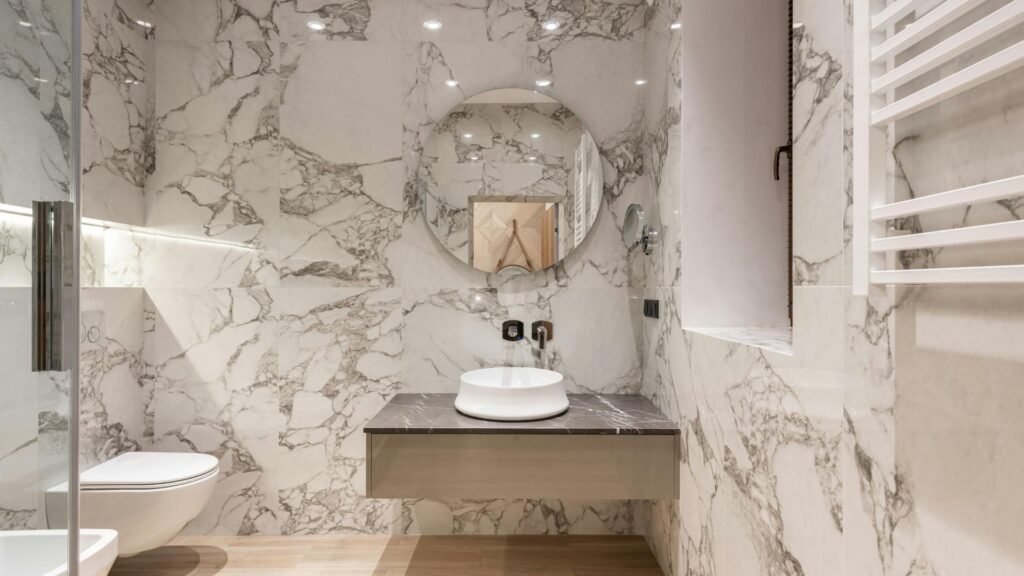
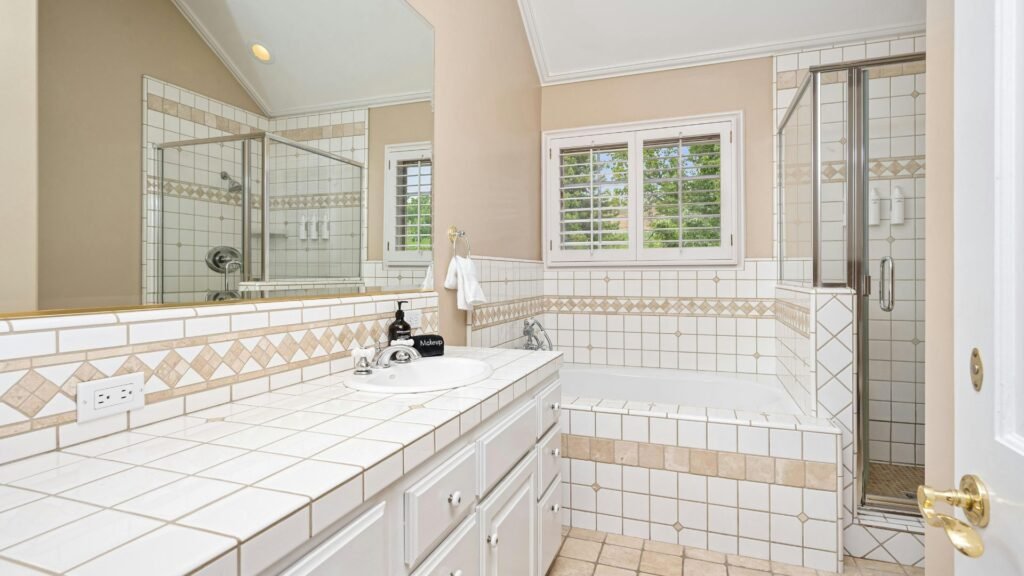
The Building Code requires bathroom waterproofing and protection for all internal wet areas including tiled showers, laundries, and other wet rooms. Impervious linings must extend 150-300mm beyond shower perimeters to capture splashback, so choosing the best materials for bathroom walls in New Zealand is critical for long-term performance.
- Typical systems include liquid-applied membranes over fibre-cement or tile underlay, with carefully detailed junctions at drains, walls, and thresholds. Quality liquid membranes cost $20-40/m² and require 2-3 coats achieving minimum 1.5mm dry film thickness, which should be factored into any bathroom renovation cost calculator for New Plymouth projects.
- Sheet membrane systems like Wedi provide a 3-in-1 solution replacing traditional plasterboard, screed, and membranes. These systems achieve 100% waterproofing with installation times of around 3 hours versus 3 days for conventional methods.
- Decorative floor waterproofing for polished concrete, stone, or timber floors in New Plymouth homes, cafés, and offices focuses on stain resistance and moisture control. Properly sealed decorative floors resist Taranaki’s damp winter conditions.
- Open-plan living areas with polished concrete floors in new suburban builds need both vapour control and surface protection. Without proper sealing, moisture can wick up through slabs, causing efflorescence and surface damage, which should be allowed for in any bathroom renovation cost guide for New Plymouth.
Joint Sealant Application & Weather-Tight Detailing
Even the best membrane can fail if junctions, joints, and penetrations are not sealed correctly. Maintaining structural integrity requires attention to these critical details where different materials meet.
- Silicone, MS, and polyurethane sealants protect around windows, control joints, precast panels, and roofing penetrations. Each sealant type suits different substrates and movement requirements, and experienced renovation companies like Bathroom Renovations New Plymouth understand how to integrate these into wider projects.
- Selecting compatible sealants for New Plymouth’s UV, wind, and salt exposure is essential. Some sealants degrade rapidly in marine environments, leading to early failure and water ingress.
- Movement joints in slabs, façades, and decks prevent cracking and water entry as buildings move over time. Thermal expansion, settlement, and seismic movement all stress joints.
- Regular inspection and resealing of critical joints is a key maintenance task for long-term weathertightness. Most sealants require replacement every 10-15 years in exposed locations, so it’s worth contacting a trusted renovation specialist in New Plymouth to assess ageing joints.
How to Choose the Best Waterproofing Specialist in New Plymouth
Selecting a reliable waterproofing contractor makes the difference between a quality service installation that lasts decades and remedial work needed within years. Here’s what to look for.
- Verify installer qualifications by checking that installers are licensed building practitioners or hold relevant certifications for the membranes they apply. The construction industry requires specific competencies for waterproofing work affecting building consent compliance.
- Check local experience in New Plymouth and wider Taranaki, including examples of completed roofs, decks, or basements. Ask specifically about projects in suburbs similar to yours with comparable coastal exposure.
- Ask about specific products and brands used, system warranties, and whether the contractor follows manufacturer details exactly. Deviation from approved methods can void warranties and compromise workmanship standards.
- Request clear quotes, realistic timelines, and references from recent clients in similar suburbs or building types. Review platforms show 100% satisfaction rates for quality pros who complete work within promised timeframes.
| Criteria | What to Ask | Why It Matters |
|---|---|---|
| Licensing | LBP number and scope | Ensures legal compliance |
| Experience | Local project examples | Proves understanding of Taranaki conditions |
| Products | Membrane brands and specs | Determines durability and warranty |
| Warranty | Coverage period and terms | Protects your investment |
| References | Recent client contacts | Verifies quality and reliability |
 |
Design Support, Consulting & Preventative Waterproofing
The best results come from involving waterproofing specialists early in design rather than only after leaks appear. This approach serves architects, designers, and builders working on new construction across the region.
- Consulting services include reviewing plans, advising on falls, outlets, parapet heights, and compatible systems for New Plymouth’s conditions. Early input prevents costly redesigns during construction and supports budget-friendly bathroom renovation planning alongside broader waterproofing design.
- Multi-unit housing, commercial buildings, and educational facilities benefit from expertise in waterproofing design. Complex projects require coordination of multiple membrane types and drainage systems, especially when incorporating high-end luxury bathroom spaces within larger developments.
- Preventative measures such as regular roof inspections and membrane condition reports identify issues before they become major leaks. Annual checks protect both the building and warranty validity, and are particularly valuable in compact homes where small bathroom renovations in New Plymouth must maximise durability.
- Coordination with structural engineers and plumbers ensures integrated solutions around penetrations and drainage. All trades must understand how their work affects waterproofing integrity for the building project to succeed.
Frequently Asked Questions (FAQs) about Waterproofing in New Plymouth
How do effective waterproofing solutions benefit my property?
Effective waterproofing solutions not only protect your building from water damage but also enhance the overall value and safety of your property by preventing leaks, mould growth, and structural deterioration.
Why is it important to hire an experienced waterproofer?
Hiring an experienced waterproofer minimizes the risk of water damage, leaks, and mould growth by ensuring high standards of workmanship and the correct application of waterproofing membranes and systems.
Which companies lead the waterproofing industry in New Zealand?
Nuralite has shaped the waterproofing industry in New Zealand for over 60 years, providing reliable, high-quality waterproofing systems. Viking Roofspec offers a diverse and comprehensive range of exterior roofing and waterproofing solutions. Adseal Waterproofing specializes in services ranging from below ground to roof waterproofing, holding a Sitewise Gold membership for robust health and safety standards.
What specialized products and services do these companies offer?
- Nuralite provides complete guides on flat roofing, including energy-efficient warm roofs and below-ground tanking, and has installed over five million square meters of membrane, enough to waterproof 700 rugby fields.
- Viking Roofspec has developed best practice installation videos to ensure effective application of waterproofing materials.
- Adseal uses specialized tools to apply waterproofing solutions to decorative flooring surfaces, protecting them from water damage, and offers coatings ideal for flat roofs, decks, balconies, concrete, internal gutters, and foundations, with warranties ranging from 10 to 20 years.
How do I choose the best waterproofing contractor for my project?
Arrange a meeting with potential waterproofing contractors to discuss your project in detail. Ask specific questions about their experience, products used, warranties, and project timelines to gauge their expertise and suitability.
What is the typical cost range for professional roof waterproofing in New Plymouth?
Professional roof waterproofing typically costs between $60 and $120 per square metre, depending on the system type, complexity, and substrate condition.
What types of waterproofing membranes are commonly used in New Zealand?
- Durable torch-on bitumen membranes offer a lifespan of over 20 years and are ideal for flat roofs and decks.
- Liquid-applied polyurethane membranes provide seamless protection suitable for complex shapes.
- Butynol synthetic rubber membranes are widely used for roofs and gutters.
- TPO membranes are highly flexible, puncture resistant, and ideal for modern roofing applications.
How can I ensure waterproofing products meet New Zealand standards?
Look for products with BRANZ or CodeMark approval, which ensures compliance with the New Zealand Building Code. Also, ensure acrylic and bitumen products are compatible with the specific surface material, such as concrete, timber, or metal.
Are specialized waterproofing solutions available for decorative flooring?
Yes, companies like Adseal offer specialized waterproofing solutions designed to protect decorative flooring surfaces from water damage while maintaining their aesthetic appeal, and pairing these with the best bathroom heaters in New Plymouth helps manage condensation and moisture loads.
Who are the licensed waterproofing applicators in New Plymouth?
Adseal Waterproofing is a licensed applicator specializing in waterproofing services in New Plymouth. Additionally, Allco’s network of approved applicators across New Zealand is trained to ensure proper installation of waterproofing systems, providing quality assurance for your project. Once the essentials are sorted, many homeowners also explore the best plants for bathrooms in New Plymouth homes to complement their newly waterproofed spaces.
How much does professional waterproofing cost in New Plymouth?
- Realistic price ranges vary by system type: internal wet area membranes typically cost $20-40/m² for liquid-applied and $30-50/m² for sheet systems like Wedi or Aquamox. Deck membranes range from $30-60/m², while roof coatings start around $15-25/m² for torch-on bituminous.
- Cost factors include access difficulty, substrate condition, complexity of detailing, and whether it’s new build or remedial work. Remediation often costs 20-40% more due to demolition and preparation requirements.
- Always obtain a detailed, itemised quote rather than relying on rough per-square-metre estimates. Quality contractors break down labour, materials, and preparation separately.
How long should a waterproofing system last in Taranaki’s climate?
- Typical lifespans range from 10-25 years for modern membranes and coatings when installed and maintained correctly. Clause B2 of the Building Code requires minimum 15-year durability for waterproofing systems.
- Factors reducing lifespan include coastal exposure, ponding water, inadequate falls, and lack of maintenance. Salt spray and UV particularly affect exposed membranes.
- Annual inspections before winter help keep warranties valid and address early signs of wear. Most manufacturers require documented maintenance for warranty claims.
What are the signs that my home or building needs waterproofing work?
- Interior warning signs include water staining on ceilings, musty smells, peeling paint, swollen skirting boards, efflorescence on concrete, or recurring mould. Hydro meters can detect 20-50% excess moisture behind walls before visible damage appears.
- Exterior clues include ponding on flat roofs, cracked deck tiles, deteriorated sealant around windows and junctions, or visible membrane damage. Failed joints are a common entry point for moisture.
- If any signs appear, arrange a professional inspection before damage spreads. Timber frames can rot within 6-12 months once saturated in New Zealand’s humid conditions.
Can waterproofing be done in winter in New Plymouth?
- Many systems can be installed in cooler months, but heavy rain and humidity may limit certain products or extend drying times. Cold-applied membranes and fast-curing products suit Taranaki’s winter conditions.
- Reputable contractors plan around weather windows and may reschedule applications during rain. Some liquid membranes require minimum temperatures of 5-10°C for proper curing.
- Discuss seasonal timing early, especially for exposed roof and deck work. Planning installation for drier autumn or spring periods often produces better results.
Do I need council consent for waterproofing work?
- New builds and major alterations involving bathrooms, decks over living spaces, and significant structural changes usually fall under building consent. New Plymouth District Council assesses each project against Building Code requirements.
- Simple like-for-like remedial work may not need consent but must still meet Building Code performance requirements. Replacing existing membranes with similar materials typically doesn’t trigger consent.
- Check with New Plymouth District Council or your designer to confirm consent obligations for your specific project. Non-compliance can result in fines up to $200,000 and issues when selling the property.
Protecting your New Plymouth property from water damage starts with understanding your options and choosing exceptional service from qualified waterproofing specialists. Whether you’re planning new construction, renovating wet areas, or addressing existing leaks, investing in proper waterproofing now prevents far greater costs down the track.
Contact local licensed building practitioners who understand Taranaki’s unique conditions and can assist with solutions tailored to your project. Get multiple quotes, check references, and ensure your contractor follows manufacturer specifications for full warranty protection.
Conclusion
Choosing the best waterproofing in New Plymouth is crucial to protect your property from the region’s challenging coastal climate. With high rainfall, salt-laden winds, and humidity, investing in quality waterproofing solutions and skilled waterproofing specialists ensures your building remains safe, dry, and structurally sound for years to come. Whether your project involves new construction, remedial repairs, or preventative maintenance, working with licensed applicators who understand local conditions and comply with New Zealand Building Code requirements will give you peace of mind and long-lasting protection. Remember, early planning and professional installation are key to keeping water out and preserving your property’s value and integrity in New Plymouth’s unique environment.